

10 Supplements That May Support Metabolic Health, Energy, and Longevity — A Physician's Guide
By Prolean Team · May 26, 2026
By the Prolean Wellness Clinical Team | Scottsdale, AZ
If you've spent any time researching wellness supplements, you already know the space is overwhelming. Thousands of products. Conflicting claims. Ingredient lists that read like a chemistry exam. At Prolean Wellness, we're a physician-led practice in Scottsdale, Arizona — and the supplements we carry in our shop are the same ones our clinical team recommends to patients daily. Not because they're trending, but because the research behind them is compelling enough to earn a place in a serious protocol.
This guide covers 10 evidence-informed supplements that come up repeatedly in our clinical conversations around metabolic health, energy production, inflammation, gut function, and longevity. We'll explain what each one is, what the research suggests, who it may be appropriate for, and what to look for in a quality formulation.
Individual responses may vary. Nutritional support is one aspect of overall wellness and is not a substitute for medical care.
These statements have not been evaluated by the Food and Drug Administration. These products are not intended to diagnose, treat, cure, or prevent any disease. Always consult a qualified healthcare provider before starting any new supplement.
1. Berberine Supplement — A Botanical with Serious Metabolic Research Behind It
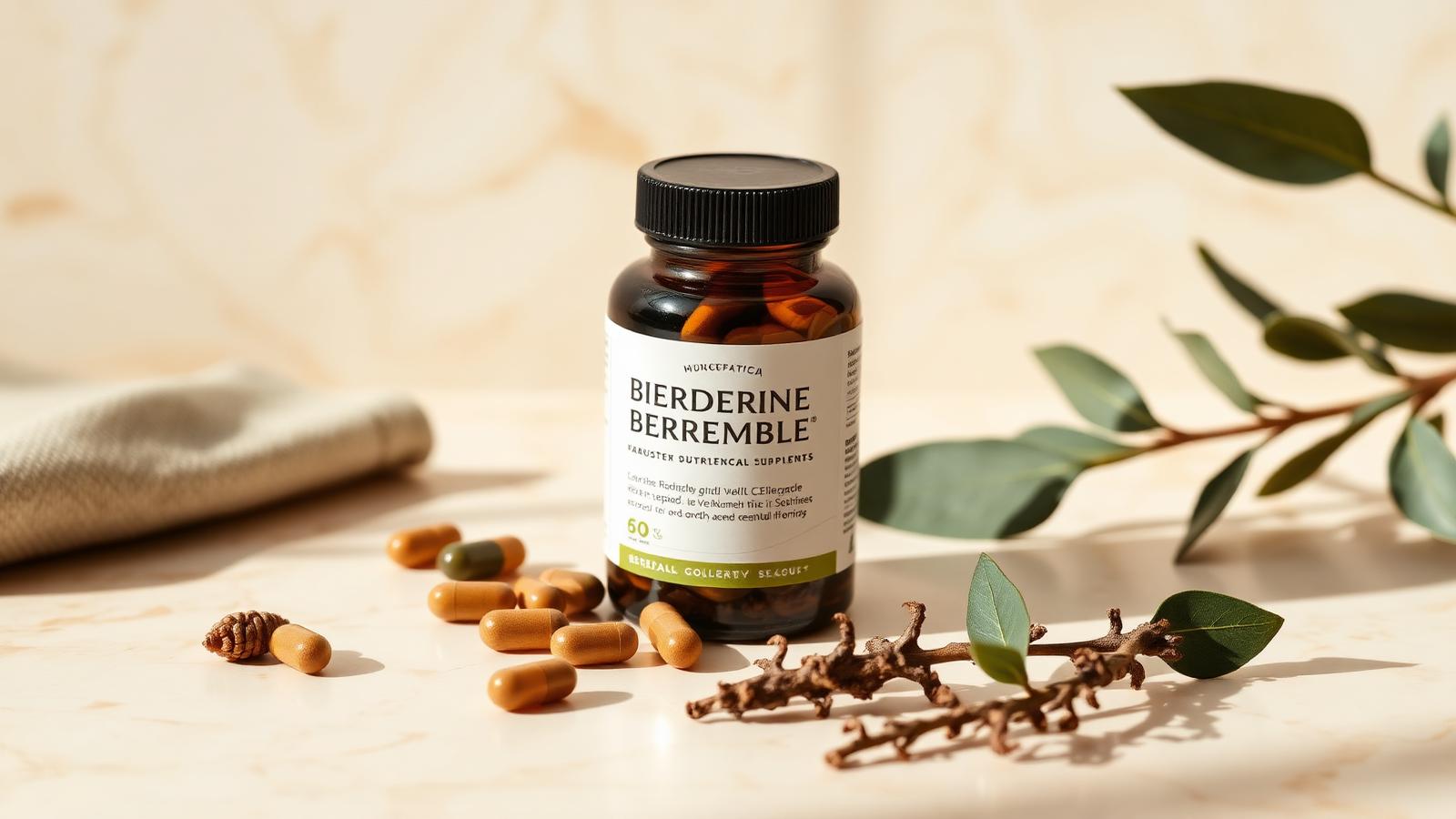
Few compounds in the supplement world have attracted as much rigorous research attention in the past decade as berberine. A naturally occurring alkaloid found in plants like barberry, goldenseal, and Oregon grape, berberine has been studied extensively for its role in supporting healthy blood glucose metabolism, lipid balance, and gut microbiome composition.
The mechanism researchers find most interesting is berberine's apparent ability to activate AMPK — adenosine monophosphate-activated protein kinase — an enzyme sometimes called the body's "metabolic master switch." AMPK activation is associated with improved insulin sensitivity, reduced fat accumulation in liver cells, and better cellular energy regulation.
What differentiates a high-quality berberine supplement from a generic one is bioavailability. Standard berberine HCl has notoriously poor absorption — typically under 5% reaches systemic circulation. Dihydroberberine (DHB), a reduced form of berberine, has shown significantly greater bioavailability in preliminary research, meaning less of the compound is needed to achieve the same physiological effect with fewer of the GI side effects (nausea, cramping) that some people experience with conventional berberine.
Who it may be appropriate for: Adults looking to support healthy blood sugar levels already within normal range, those interested in metabolic health as part of a comprehensive lifestyle approach, and individuals working with a clinician on lipid management protocols.
What to look for: Pharmaceutical-grade sourcing, dihydroberberine (DHB) form for enhanced absorption, third-party testing for purity.
2. NAD+ Supplement — The Cellular Energy Currency Your Body Makes Less of With Age
Nicotinamide adenine dinucleotide — NAD+ — is a coenzyme found in every living cell. Its primary role is facilitating the transfer of electrons during energy metabolism, making it involved in supporting how your mitochondria generate ATP (adenosine triphosphate), the molecule that powers virtually every biological process in the body.
The problem: NAD+ levels decline significantly with age. Research suggests that by age 60, NAD+ levels may be roughly half of what they were at age 20. This decline has been associated in research with reduced mitochondrial function, slower cellular repair, increased DNA damage accumulation, and some of the metabolic changes characteristic of aging.
An NAD+ supplement typically works by providing precursor molecules — primarily nicotinamide riboside (NR) or nicotinamide mononucleotide (NMN) — that the body converts into NAD+ through enzymatic pathways. Supplementing directly with NAD+ has limited efficacy because the molecule is large and degrades before reaching cells. Precursors are the preferred delivery method.
Research in this area is active and growing. Studies in animal models have consistently shown NAD+ precursors to be associated with improved mitochondrial density, better insulin sensitivity, and extended healthspan. Human clinical trials are more limited but early results are encouraging across several domains including energy, muscle function, and cognitive metrics.
Who it may be appropriate for: Adults over 35 interested in longevity and cellular health protocols, individuals experiencing persistent fatigue despite adequate sleep, those working with a functional medicine practitioner on mitochondrial support.
What to look for: Clearly stated precursor form (NR or NMN), pharmaceutical-grade manufacturing, stability-tested formulation (NAD+ precursors degrade without proper handling).
3. NMN Supplement — The NAD+ Precursor Getting the Most Longevity Research Attention
Nicotinamide mononucleotide (NMN) deserves its own section because it has emerged as the most studied NAD+ precursor in human longevity research, separate from the broader NAD+ conversation above.
NMN sits one step closer to NAD+ in the biosynthetic pathway than NR (nicotinamide riboside), which is why some researchers hypothesize it may be more efficient at raising intracellular NAD+ levels — though both precursors have shown efficacy in published trials. A landmark 2023 human clinical trial published in Nature Aging showed that NMN supplementation was associated with improved muscle performance and walking speed in older adults. Earlier work from Washington University School of Medicine showed that NMN supplementation supported insulin sensitivity in premenopausal women who were overweight or obese.
At the cellular level, NMN supports sirtuins — a family of proteins involved in DNA repair, inflammation regulation, and mitochondrial biogenesis — by restoring the NAD+ they require to function. Sirtuin activity is a key area of longevity research, and NMN is one of the most practical tools currently available to support it through supplementation.
Dosing note: Most human clinical trials have used doses ranging from 250mg to 1,000mg per day. Higher doses do not appear to be harmful but have not consistently shown additional benefit over 500mg in current research.
What to look for: Sublingual or liposomal forms for improved absorption, verified purity certificates, cold-chain shipping if the product is temperature-sensitive.
4. Cortisol Supplement — Supporting the Body's Stress Response System
Cortisol is your body's primary stress hormone, produced by the adrenal glands in response to perceived threats, low blood sugar, inflammation, or sleep disruption. In short bursts, cortisol is involved in supporting — it mobilizes energy, helps reduce acute inflammation, and sharpens focus. The challenge is chronic elevation, which research has associated with weight gain (particularly abdominal), disrupted sleep architecture, immune system modulation, blood sugar dysregulation, and mood changes.
A "cortisol supplement" is a slight misnomer — what most people mean is an adaptogenic or adrenal support formula designed to help modulate the body's stress response, not block cortisol entirely (which would be dangerous). The most well-researched ingredients in this category include:
Ashwagandha (Withania somnifera): Multiple randomized controlled trials have shown ashwagandha root extract to be associated with statistically significant support for normal serum cortisol levels and self-reported stress scores.
Phosphatidylserine: A phospholipid that may help modulate the body's cortisol response to exercise-induced stress.
Rhodiola rosea: An adaptogen with evidence for helping to reduce mental fatigue and supporting stress resilience.
Magnolia bark extract: Associated with helping to maintain normal cortisol levels and supporting sleep quality in some clinical research.
At Prolean Wellness, our clinical team frequently recommends adrenal and cortisol support protocols for patients presenting with burnout, unexplained weight changes despite caloric restriction, and HPA (hypothalamic-pituitary-adrenal) axis function considerations confirmed through salivary cortisol testing.
Who it may be appropriate for: Adults experiencing chronic stress, disrupted sleep, or difficulty maintaining a healthy weight despite dietary efforts — ideally under the guidance of a clinician who can assess cortisol patterns through testing.
5. Best Magnesium Supplement — Why the Form Matters Enormously
Magnesium is involved in over 300 enzymatic reactions in the human body. It plays roles in energy production, protein synthesis, muscle and nerve function, blood glucose control, and blood pressure regulation. Despite this ubiquity, research consistently estimates that a significant portion of Americans — some studies suggest up to 50% — do not meet the recommended daily intake through diet alone.
Here's the important nuance most magnesium discussions miss: not all magnesium is equal, and the form determines where in the body the mineral is absorbed and what it does.
| Form | Primary Benefit | Best For |
|---|---|---|
| Magnesium glycinate | Highly bioavailable, gentle on GI | Sleep, anxiety, general repletion |
| Magnesium L-threonate | Only form shown to cross blood-brain barrier | Cognitive function, memory |
| Magnesium citrate | Good absorption, mild laxative effect | Constipation, general use |
| Magnesium oxide | Poor absorption, cheap | Not recommended as primary form |
| Magnesium malate | Supports ATP production | Fatigue, muscle pain |
Magnesium L-threonate is particularly notable because it is the only form of magnesium that research has demonstrated can meaningfully contribute to magnesium concentration in cerebrospinal fluid — meaning it reaches the brain. A 2016 study in The Journal of Alzheimer's Disease found that magnesium L-threonate supplementation was associated with supporting cognitive function in older adults. Subsequent research has shown associations with better sleep quality, feelings of calmness, and supporting working memory.
For patients who want cognitive and sleep benefits specifically, magnesium L-threonate is the form our clinicians recommend most often.
What to look for: When evaluating the best magnesium supplement for your needs, identify the form first based on your primary goal. Look for pharmaceutical-grade elemental magnesium content stated on the label, and avoid proprietary blends that obscure actual magnesium quantity.
6. Creatine Supplement for Women — Underused, Underresearched, and Underrated
Creatine has a branding problem. It has long been marketed as a muscle-building supplement for male athletes, which has led to widespread misconceptions that it may cause bloating, masculinization, or is simply not relevant to women. The research tells a very different story.
Creatine monohydrate is one of the most extensively studied and consistently supported compounds in sports nutrition science. Its mechanism is well understood: it increases phosphocreatine stores in muscle tissue, which the body uses to rapidly regenerate ATP during high-intensity activity. The result is improved performance in short-burst, high-power activities — and over time, better muscle preservation and growth response to resistance training.
For women specifically, there are several clinically interesting angles:
Perimenopausal and postmenopausal women: Research suggests creatine may be particularly beneficial for women experiencing age-related muscle mass changes. A 2021 systematic review in Nutrients found that creatine supplementation combined with resistance training was associated with significantly greater support for lean mass and strength in older women compared to placebo.
Cognitive function: Creatine is also stored in the brain, and emerging research suggests it may support cognitive performance under stress and sleep deprivation — circumstances where brain energy demands are high.
Bone density: Some research has associated creatine supplementation with supporting bone mineral density in postmenopausal women when combined with resistance exercise.
Dosing for women: Standard protocols use 3-5 grams daily. A loading phase (20g/day for 5-7 days) accelerates muscle saturation but is not required — daily maintenance dosing reaches the same endpoint in 3-4 weeks.
What to look for in a creatine supplement for women: Creatine monohydrate remains the gold standard — it is the form used in the vast majority of clinical research. Added electrolytes support hydration, which is relevant since creatine pulls water into muscle cells.
7. Apple Cider Vinegar Capsules — What the Research Actually Supports
Apple cider vinegar has been a wellness staple for decades, but separating folk remedy from clinical evidence is important — especially in a supplement context. The active compound of interest is acetic acid, which research suggests may influence several metabolic pathways.
What the research does support with reasonable consistency:
Post-meal glucose response: Several human trials have shown that acetic acid consumption before or during a carbohydrate-rich meal is associated with a modest support for the postprandial blood glucose spike. The mechanism appears to involve slowed gastric emptying and reduced starch digestion.
Appetite regulation: Some research suggests acetic acid may influence satiety hormones, potentially helping to support feelings of fullness at subsequent meals.
Lipid metabolism: Animal studies and some human data suggest associations with modest support for triglyceride and LDL profiles with consistent use.
The case for apple cider vinegar capsules over liquid ACV is straightforward: liquid ACV is highly acidic (pH 2-3) and regular consumption has been associated with tooth enamel erosion and esophageal irritation in case reports. Encapsulated ACV delivers the same acetic acid content without the exposure to dental surfaces.
What to look for: Look for capsules made from raw, unfiltered ACV "with the mother" — the cloudy bacterial culture that contains the beneficial compounds. Confirm the acetic acid content per serving is standardized.
8. Anti-Inflammatory Supplements — Addressing the Root of Many Chronic Health Challenges
Chronic low-grade inflammation is a factor in the pathophysiology of cardiovascular function, metabolic balance, cognitive well-being, immune responses, and healthy aging. Unlike acute inflammation — which is a healthy, necessary immune response — chronic systemic inflammation is a slow background process influenced by factors including diet, weight management, sleep patterns, stress, gut microbiome balance, and environmental factors.
Anti-inflammatory supplements work through various mechanisms to modulate inflammatory signaling pathways, primarily by influencing pro-inflammatory cytokines like IL-6, TNF-alpha, and NF-kB activity. The best-researched compounds include:
Omega-3 fatty acids (EPA/DHA): Perhaps the most clinically validated nutrients that play a role in healthy inflammatory responses. EPA and DHA are precursors to resolvins and protectins — lipid mediators that actively support the resolution of inflammation. Multiple meta-analyses have confirmed their association with supporting normal CRP, IL-6, and TNF-alpha levels.
Resveratrol: A polyphenol found in grape skin and Japanese knotweed, resveratrol activates SIRT1 (a sirtuin involved in inflammation regulation) and influences NF-kB. Research has associated it with supporting inflammatory markers and endothelial function.
Curcumin (from turmeric): Curcumin influences NF-kB and COX-2 enzymes involved in prostaglandin synthesis. The important caveat: curcumin has very poor bioavailability on its own — look for formulations paired with piperine (black pepper extract) or in a phospholipid complex (phytosome) for meaningful absorption.
Berberine: As discussed above, berberine also has meaningful mechanisms that support healthy inflammatory responses through AMPK activation and NF-kB modulation.
Who benefits most from anti-inflammatory supplement protocols: Individuals with elevated hsCRP (high-sensitivity C-reactive protein) confirmed through bloodwork, those seeking support for metabolic balance, individuals working on immune system support, or those with lifestyle-driven considerations for inflammatory balance.
9. Gut Health Supplements — The Foundation That Affects Everything Else

The gut microbiome — the community of approximately 38 trillion microorganisms residing in your gastrointestinal tract — has emerged in research as a central regulator of systemic health far beyond digestion. Current evidence associates microbiome composition with immune function, metabolic rate, neurotransmitter production (approximately 90% of serotonin is produced in the gut), inflammatory tone, hormonal metabolism, and even cognitive function through the gut-brain axis.
Gut health supplements fall into two primary categories:
Probiotics — live bacterial cultures that, when consumed in adequate amounts, may confer health benefits on the host. Clinical evidence is strongest for specific strains in specific conditions: Lactobacillus rhamnosus GG for supporting normal bowel function, Bifidobacterium infantis for digestive comfort, and multi-strain formulations for general microbiome diversity support.
For a probiotic to be clinically meaningful, CFU (colony-forming unit) count matters — but so does survivability. Probiotic bacteria must survive stomach acid to reach the colon where they colonize. Delayed-release capsule technology, spore-form probiotics, and refrigerated high-CFU formulations all improve delivery.
Prebiotics — non- digestible fibers that feed and stimulate the growth of beneficial bacteria already in the gut. Common prebiotics include inulin, FOS (fructooligosaccharides), and GOS (galactooligosaccharides). Prebiotics and probiotics work synergistically — taking a probiotic without adequate prebiotic substrate is like planting seeds in infertile soil.
GI mucosal support: Compounds like L-glutamine, deglycyrrhizinated licorice (DGL), and aloe vera gel support the integrity of the intestinal lining — relevant for individuals seeking support for gut barrier function or digestive comfort patterns.
Who benefits: Virtually everyone can benefit from baseline gut health support, but priority candidates include individuals who have taken antibiotics recently, those seeking support for digestive comfort, people with food sensitivities, anyone with high stress loads (stress directly influences microbiome composition), and individuals on GLP-1 medications (which frequently cause GI side effects).
10. GLP-1 Supplement Support — What People on Semaglutide Actually Need
The explosive growth of GLP-1 receptor agonist medications — semaglutide (Ozempic, Wegovy), tirzepatide (Mounjaro, Zepbound) — has created an entirely new category of nutritional need. GLP-1 medications work primarily by supporting appetite regulation and slowing gastric emptying, which dramatically contributes to caloric intake. This is highly effective for weight management — but it creates specific nutritional vulnerabilities that most prescribing physicians don't address.
The core nutritional challenges for GLP-1 users:
Protein intake and muscle mass: When caloric intake changes significantly, the body draws energy from both fat and lean muscle mass. Without adequate protein intake, GLP-1 users may experience a disproportionate impact on muscle — particularly important because muscle mass plays a role in metabolic rate. Research suggests GLP-1 users should target 1.2-1.6g of protein per kilogram of body weight daily, which can be challenging to achieve with suppressed appetite.
Micronutrient gaps: Eating significantly less food means consuming fewer vitamins and minerals. Iron, B12, folate, zinc, calcium, and vitamin D are commonly found to be at levels that require support in populations with reduced caloric intake.
GI comfort: Nausea, constipation, and gastroparesis are among the most common reasons people discontinue GLP-1 medications. Gut health supplementation — probiotics, digestive enzymes, ginger, and adequate magnesium — may help manage these experiences.
Bone density: Rapid weight changes are associated with bone density considerations. Calcium, vitamin D, and magnesium supplementation, combined with resistance training, is a clinically appropriate strategy to help support bone health.
A physician-designed GLP-1 support protocol typically includes: A high-quality whey protein isolate (fast-absorbing, low volume), a comprehensive multivitamin with bioavailable forms of key nutrients, a probiotic for GI support, magnesium for supporting normal bowel function and sleep, and electrolytes for hydration since reduced food intake means reduced electrolyte consumption from food.
At Prolean Wellness, our clinical team works with GLP-1 patients specifically and has developed supplement protocols tailored to their needs. The supplements we carry were selected with this patient population in mind.
Frequently Asked Questions
Can I take multiple supplements from this list at the same time?
Many of these supplements are commonly used together in clinical protocols — for example, berberine, magnesium L-threonate, and a probiotic are frequently part of the same metabolic health protocol. However, some combinations require clinical oversight. Berberine, for instance, may interact with medications that affect blood sugar or are metabolized by CYP3A4 enzymes. Always review your full supplement list with a qualified healthcare provider before stacking multiple products.
How long before I notice results from these supplements?
It depends on the compound and what you're measuring. Creatine typically shows performance benefits within 2-4 weeks of consistent use. Berberine's effect on blood glucose markers may be detectable within 4-8 weeks. NAD+ and NMN precursors often show subjective energy improvements in the 4-12 week range but objective longevity markers are longer timelines. Probiotics can show GI symptom improvements in as little as 1-2 weeks.
What does "pharmaceutical-grade" mean for supplements?
Unlike drug manufacturing, supplement manufacturing is not FDA pre-approved. "Pharmaceutical-grade" refers to the standard of manufacturing purity and testing — specifically, producing supplements that are ≥99% pure with rigorous testing for contaminants, heavy metals, and label accuracy. Look for GMP (Good Manufacturing Practice) certified facilities and third-party certificate of analysis (COA) documentation.
Are these supplements safe for people with chronic conditions or on medications?
Several of the supplements discussed — particularly berberine, magnesium, and omega-3s — have known interactions with common medications (anticoagulants, diabetes medications, antihypertensives). This guide is educational and does not constitute medical advice. Consult your physician or a qualified naturopathic doctor before starting any new supplement if you have an existing health condition or take prescription medications.
Does Prolean Wellness offer clinical consultations?
Yes. Prolean Wellness is a physician-led wellness center in Scottsdale, Arizona. Our clinical team offers consultations for patients who want a personalized supplement protocol based on bloodwork, health history, and individual goals. Contact us to learn more.
These statements have not been evaluated by the Food and Drug Administration. These products are not intended to diagnose, treat, cure, or prevent any disease. This article is for educational purposes only and does not constitute medical advice. Consult a qualified healthcare provider before beginning any supplement protocol.
Sources: Published clinical research referenced in this article is available upon request. Prolean Wellness cites peer-reviewed literature from PubMed, The Journal of Alzheimer's Disease, Nature Aging, Nutrients, and other indexed journals.
Xiang H, Xiong Z, Qin H, et al. Berberine moderates glucose and lipid metabolism through multipathway mechanism. Evid Based Complement Alternat Med. 2011;2011:924851. DOI: 10.1155/2011/924851. PubMed/PMC
Yi L, Maier AB, Tao R, et al. The efficacy and safety of β-nicotinamide mononucleotide (NMN) supplementation in healthy middle-aged adults: a randomized, multicenter, double-blind, placebo-controlled, parallel-group, dose-dependent clinical trial. GeroScience. 2023;45(1):29–43. DOI: 10.1007/s11357-022-00705-1. PubMed
Song Q, Zhou X, Zhu D, et al. Safety and antiaging effects of nicotinamide mononucleotide supplementation in human clinical trials: an update. Adv Nutr. 2023;14(6):1416–1435. DOI: 10.1016/j.advnut.2023.08.008. PubMed/PMC
Zhang C, Hu Q, Li S, et al. A Magtein® (magnesium L-threonate) supplementation improves cognitive ability of healthy Chinese adults. Nutrients. 2022;14(24):5235. DOI: 10.3390/nu14245235. PubMed
Smith-Ryan AE, Cabre HE, Eckerson JM, Candow DG. Creatine supplementation in women's health: a lifespan perspective. Nutrients. 2021;13(3):877. DOI: 10.3390/nu13030877. PubMed
Hadi A, Pourmasoumi M, Najafgholizadeh A, Clark CCT, Esmaillzadeh A. The effect of apple cider vinegar on lipid profiles and glycemic parameters: a systematic review and meta-analysis of randomized clinical trials. BMC Complement Med Ther. 2021;21(1):179. DOI: 10.1186/s12906-021-03351-w. PubMed
Chandrasekhar K, Kapoor J, Anishetty S. A prospective, randomized double-blind, placebo-controlled study of safety and efficacy of a high-concentration full-spectrum extract of ashwagandha root in reducing stress and anxiety in adults. Indian J Psychiatry. 2012;54(3):255–262. DOI: 10.4103/0253-7176.106022. PubMed
Lopresti AL, Smith SJ, Malvi H, Kodgule R. An investigation into the stress-relieving and pharmacological actions of an ashwagandha (Withania somnifera) extract: a randomized, double-blind, placebo-controlled study. Medicine (Baltimore). 2019;98(37):e17186. DOI: 10.1097/MD.0000000000017186. PubMed
Mansour A, Mohajeri-Tehrani MR, Karimi S, et al. Effects of berberine and cinnamon co-supplementation on the metabolic profile of patients with type 2 diabetes: a randomized double-blind placebo-controlled clinical trial. Eur J Nutr. 2025. DOI: 10.1007/s00394-025-03618-9. Full text
Kaul R, Sharma N, Bhardwaj R, et al. Efficacy of microbiome-modulating therapeutics on glycemia in patients with metabolic syndrome: a systematic review and meta-analysis of randomized controlled trials. Diabetes Metab Syndr. 2024;18(7):103118. DOI: 10.1016/j.dsx.2024.103118. Full text