

Individual responses may vary. Nutritional support is one aspect of overall wellness and is not a substitute for medical care.
Understanding Choline: A Cornerstone for Cognitive Health
In the intricate landscape of human nutrition, some compounds stand out for their profound impact on our well-being. Choline is one such nutrient, often grouped with B vitamins due to its water-soluble nature and its involvement in numerous metabolic processes. However, choline has unique attributes that distinguish it, particularly its important role in supporting cognitive function and cellular health throughout the body.
While the human body can produce a small amount of choline, the majority of our needs must be met through diet or supplementation. This makes choline an important consideration for anyone looking to support their brain health, liver function, and overall cellular integrity. At Prolean Wellness, we believe in understanding the root causes of wellness concerns, and for cognitive support, choline often emerges as a key player. For a wider approach to brain health, explore our Cognitive Clarity & Focus Stack.

The "Why" Behind Choline: Cellular and Biochemical Significance
To truly appreciate choline's impact, let's delve into its biochemical functions. Choline is a precursor to several vital compounds in the body:
- Acetylcholine: This is arguably choline's most well-known role. Acetylcholine is a neurotransmitter, a chemical messenger that plays a significant role in memory, learning, attention, and muscle control1. Sufficient choline availability supports the production of acetylcholine, which in turn helps maintain healthy nerve signaling and cognitive processes. Think of it as the building block for the brain's internal communication system.
- Phosphatidylcholine: A primary component of cell membranes, phosphatidylcholine is important for maintaining the structural integrity and fluidity of cells. This is particularly important for brain cells, where healthy membranes facilitate efficient nutrient transport and waste removal, directly impacting neural function.
- Sphingomyelin: Another important component of cell membranes, sphingomyelin is particularly abundant in the myelin sheath, the protective covering around nerve fibers. Myelin helps insulate nerve signals, allowing for rapid and efficient communication throughout the nervous system.
- Betaine: Choline can be converted into betaine, a compound involved in methylation reactions. Methylation is a fundamental biochemical process that impacts gene expression, detoxification, and the synthesis of various neurotransmitters. This indirect role highlights choline's broader influence on cellular health and metabolic balance.
By contributing to the formation of these compounds, choline actively supports the healthy functioning of neurons, cell membranes, and overall metabolic pathways that are important for cognitive wellness.
Choline and Its Supportive Role in Cognitive Functions
The connection between choline and cognitive function is widely recognized, with research highlighting its potential to support various aspects of brain health.
Memory and Learning
As mentioned, choline is a direct precursor to acetylcholine, a neurotransmitter deeply involved in memory formation and retrieval. Studies suggest that adequate choline intake may contribute to supporting memory functions, particularly as we age2. By ensuring a steady supply of choline, we help provide the raw material for the brain's memory machinery.
Focus and Attention
Beyond memory, acetylcholine also plays a role in attention and focus. Choline supplementation may help support these cognitive domains by ensuring optimal levels of this key neurotransmitter. This can translate to an enhanced ability to concentrate on tasks and maintain mental clarity.
Brain Development
Choline's importance extends even before birth. It is considered an important nutrient for fetal brain development, contributing to the formation of neural tube and supporting the development of memory centers in the brain3. This underscores its foundational role from the earliest stages of life.
Signs of Choline Needs and Dietary Sources
While severe choline deficiency is uncommon in healthy individuals, suboptimal intake can occur. Given its wide-ranging roles, inadequate choline levels may subtly impact various bodily functions. These may include aspects related to liver health and muscle function, as well as cognitive processes.
Rich Dietary Sources of Choline
Incorporating choline-rich foods into your diet is the primary way to maintain adequate levels. Some of the best sources include:
- Egg yolks
- Beef liver
- Soybeans and soy products
- Fish (especially salmon and cod)
- Chicken and turkey
- Cruciferous vegetables (broccoli, cauliflower, Brussels sprouts)
- Nuts and seeds
Despite the availability of these foods, many individuals may not consistently consume enough choline through diet alone, making supplementation a consideration. This is where personalized nutrition can play a role, and tools like ProAI™ can help you identify a stack that aligns with your individual needs.
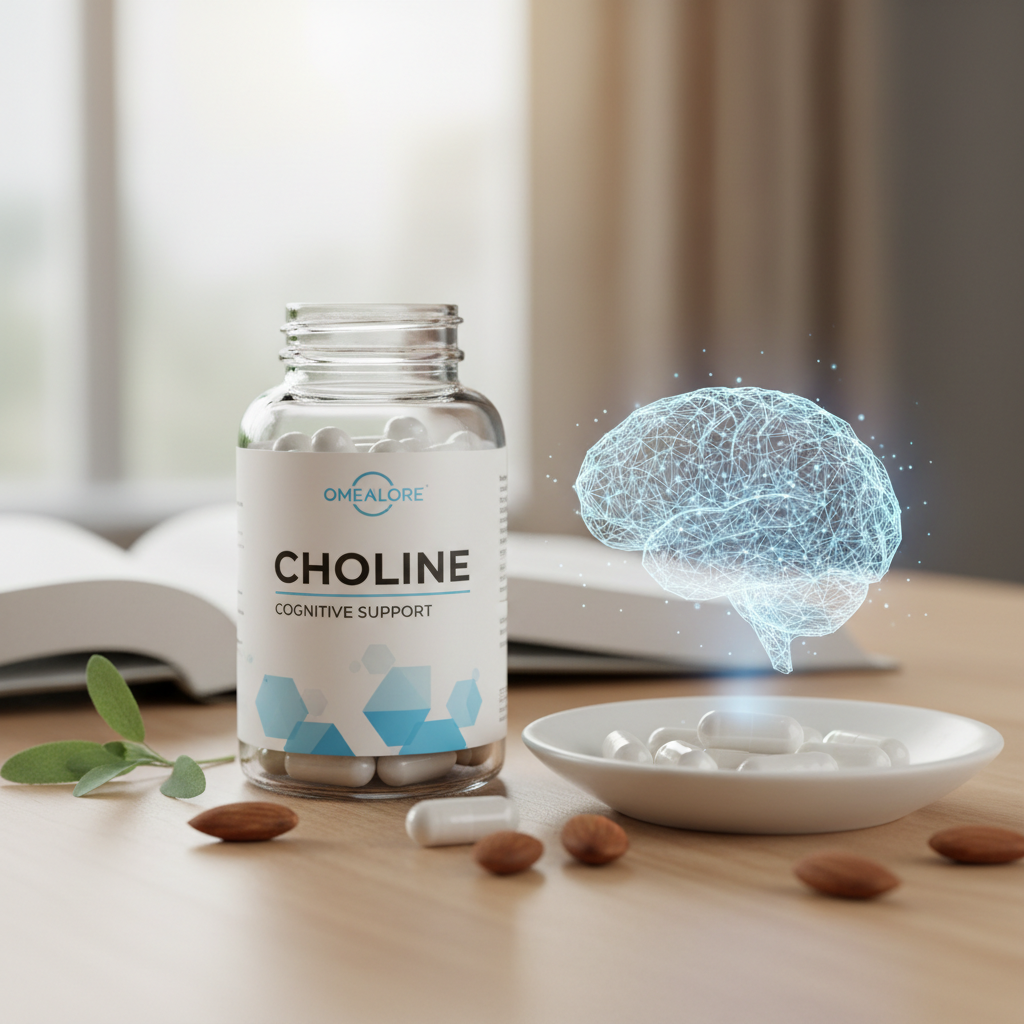
Choosing a Choline Supplement: What to Look For
When considering a choline supplement, it's important to choose a high-quality product. Different forms of choline exist, such as choline bitartrate, citicoline (CDP-choline), and Alpha-GPC. Each form has unique properties and bioavailability, which may influence its effectiveness for specific goals.

$24.99
Directly relevant as the article discusses choline supplementation for cognitive and overall health.
Shop Now →*This statement has not been evaluated by the Food and Drug Administration. This product is not intended to diagnose, treat, cure, or prevent any disease.
For example, VitaCholine® is a high-quality, branded form of choline bitartrate known for its purity and bioavailability. Products utilizing such forms may offer more consistent and reliable nutrient delivery. Always look for supplements from reputable brands that prioritize third-party testing and transparency.
Safety & Considerations
Choline supplements are generally well-tolerated when taken at recommended dosages. However, as with any supplement, it's advisable to speak with a healthcare professional before starting. High doses of choline may lead to side effects such as digestive upset, a fishy body odor, and low blood pressure. Individuals with certain medical conditions or those taking specific medications should exercise caution and seek professional guidance. Pregnant and breastfeeding women, in particular, should consult their doctor to determine appropriate choline intake.
Frequently Asked Questions About Choline
Q: Can choline help with focus during demanding tasks?
A: Choline supports the production of acetylcholine, a neurotransmitter involved in attention and focus. By helping maintain optimal acetylcholine levels, choline may contribute to sustained concentration during mentally demanding tasks.
Q: How long does it take to notice the supportive effects of choline?
A: The timeframe for experiencing supportive effects can vary greatly among individuals, depending on factors such as baseline choline levels, diet, and the specific form and dosage of the supplement. Some individuals may notice changes within a few weeks, while for others, it may take longer.
Q: Is choline beneficial for liver health?
A: Yes, choline plays an important role in liver function, particularly in fat metabolism and detoxification processes. It helps maintain healthy lipid transport and can contribute to supporting overall liver health.
Q: Are there any natural ways to increase choline intake besides supplements?
A: Absolutely! Incorporating choline-rich foods into your diet is a great way to naturally increase your intake. Examples include egg yolks, beef liver, salmon, soybeans, and cruciferous vegetables like broccoli and Brussels sprouts. Even for those with a balanced diet, a supplement can help bridge any nutritional gaps.
Conclusion
Choline is a nutrient with far-reaching effects on our health, particularly in supporting cognitive function and cellular integrity. By understanding its biochemical roles in producing neurotransmitters like acetylcholine and involved in supporting cell membrane components, we can better appreciate its significance. Whether through diet or thoughtful supplementation, ensuring adequate choline intake is a proactive step towards supporting brain health and overall wellness.
At Prolean Wellness, we are committed to providing evidence-based insights and high-quality supplements to support your health journey. Remember, personalized nutrition is key, and our ProAI™ tool can help you discover the ideal supplement stack tailored to your unique needs.
References
- Zeisel, S.H. (2000). Choline: an involved in supporting nutrient for public health. Nutrition Reviews, 58(8), 239-242.
- Poly, C., et al. (2011). The relation of dietary choline to cognitive performance and white-matter hyperintensity in the Framingham Offspring Cohort. The American Journal of Clinical Nutrition, 94(6), 1584-1591.
- Zeisel, S.H. (2006). Choline: important during sensitive periods of brain development. Nutrition Today, 41(4), 143-147.
Further Exploration
📦 Related Stack: Cognitive Support & Brain Health Stack — Save 10% on this curated supplement bundle.
- What specific mechanisms link gut microbiome health to brain fog and cognitive decline?
- Can optimizing mitochondrial function through nutrition directly support neurotransmitter synthesis?
- How do adaptogenic herbs interact with choline pathways to promote mental resilience?
These statements have not been evaluated by the FDA. These products are not intended to diagnose, treat, cure, or prevent any disease.
🤖 Build Your Personalized Stack with ProAI™
Not sure which supplements are right for you? Let our AI-powered wellness assistant create a custom stack based on your unique goals.
Questions to Explore Next
- →Can choline help with focus during demanding tasks?
- →How long does it take to notice the supportive effects of choline?
- →Is choline beneficial for liver health?
- →Are there any natural ways to increase choline intake besides supplements?
Continue Reading
More supplement & nutrition guides