Individual responses may vary. Nutritional support is one aspect of overall wellness and is not a substitute for medical care.
Introduction: Understanding Cellular Longevity
In the pursuit of enduring vitality and well-being, the concept of cellular longevity has emerged as a cornerstone of modern health science. It’s not merely about extending lifespan, but enriching “healthspan”—the period of life spent in good health, free from chronic conditions. At the heart of this intricate process lies a molecule called Nicotinamide Adenine Dinucleotide (NAD+), a coenzyme present in every cell of our body. NAD+ is involved in hundreds of metabolic processes, playing a pivotal role in energy production, DNA repair, and the regulation of cellular pathways that influence how our bodies age.
As we age, NAD+ levels naturally decline1. This decline is believed to contribute to various age-associated changes, impacting cellular function and overall physiological resilience. The potential to support these diminishing NAD+ levels through supplementation has garnered significant attention, prompting a deeper exploration into how NAD+ precursors might contribute to cellular longevity and overall wellness.
The Root Cause: NAD+ Decline and Its Impact on Cellular Health
To truly understand the influence of NAD+ on longevity, we must delve into its intricate roles within our cells. NAD+ exists in two primary forms: NAD+ (the oxidized form) and NADH (the reduced form). These two forms are constantly interconverted, acting as crucial electron carriers in fundamental biological processes.
Energy Production: A Cellular Powerhouse
One of the most important functions of NAD+ is its involvement in cellular energy production. It serves as a vital coenzyme in metabolic pathways such as glycolysis, the citric acid cycle (also known as the Kreb’s cycle), and oxidative phosphorylation. These pathways are responsible for converting nutrients from our diet into adenosine triphosphate (ATP), the primary energy currency of the cell. Without sufficient NAD+, our cells struggle to generate enough ATP, potentially leading to reduced energy levels and impaired cellular function across various tissues and organs.

DNA Repair: Maintaining Genomic Integrity
Our DNA is constantly exposed to damage from various sources, including environmental toxins, radiation, and normal metabolic processes. Unrepaired DNA damage can accumulate over time, contributing to cellular dysfunction and the aging process. NAD+ is a key substrate for a family of enzymes called sirtuins (SIRT1-7) and poly-ADP-ribose polymerases (PARPs), both of which play important roles in DNA repair and genomic stability2. Sirtuins, often referred to as “guardians of the genome,” utilize NAD+ to deacetylate proteins, a process that can silence genes involved in inflammation and promote DNA repair mechanisms. PARPs also consume NAD+ during the repair of single-strand DNA breaks. A decline in NAD+ levels can therefore compromise the efficiency of these repair systems, potentially leading to an increase in DNA damage and accelerating cellular aging.
Cellular Senescence and Apoptosis: Regulating Cell Fate
NAD+ also supports the regulation of cellular senescence and apoptosis. Cellular senescence is a state where cells stop dividing but remain metabolically active, often secreting inflammatory molecules. While senescence plays a role in wound healing and tumor suppression, an accumulation of senescent cells can contribute to tissue dysfunction and chronic inflammation as we age. Apoptosis, or programmed cell death, is a crucial process for removing damaged or unhealthy cells. Both sirtuins and PARPs, which depend on NAD+, are involved in these pathways, helping to maintain a healthy balance of cell growth, repair, and removal. By supporting NAD+ levels, we may help promote healthy cell turnover and reduce the accumulation of dysfunctional cells.
NAD+ Precursors: Fueling Your Cells
Since NAD+ itself is not efficiently absorbed as a supplement, researchers have focused on its precursors – molecules that the body can convert into NAD+. The two most well-known precursors are Nicotinamide Riboside (NR) and Nicotinamide Mononucleotide (NMN).
- Nicotinamide Riboside (NR): NR is a form of vitamin B3 that has been shown to increase NAD+ levels in various tissues. Research suggests that NR may support mitochondrial function and contribute to cellular protection3.
- Nicotinamide Mononucleotide (NMN): NMN is another derivative of vitamin B3 that also serves as a direct precursor to NAD+. Studies indicate that NMN supplementation may help maintain NAD+ levels, potentially supporting energy metabolism and DNA repair processes4.
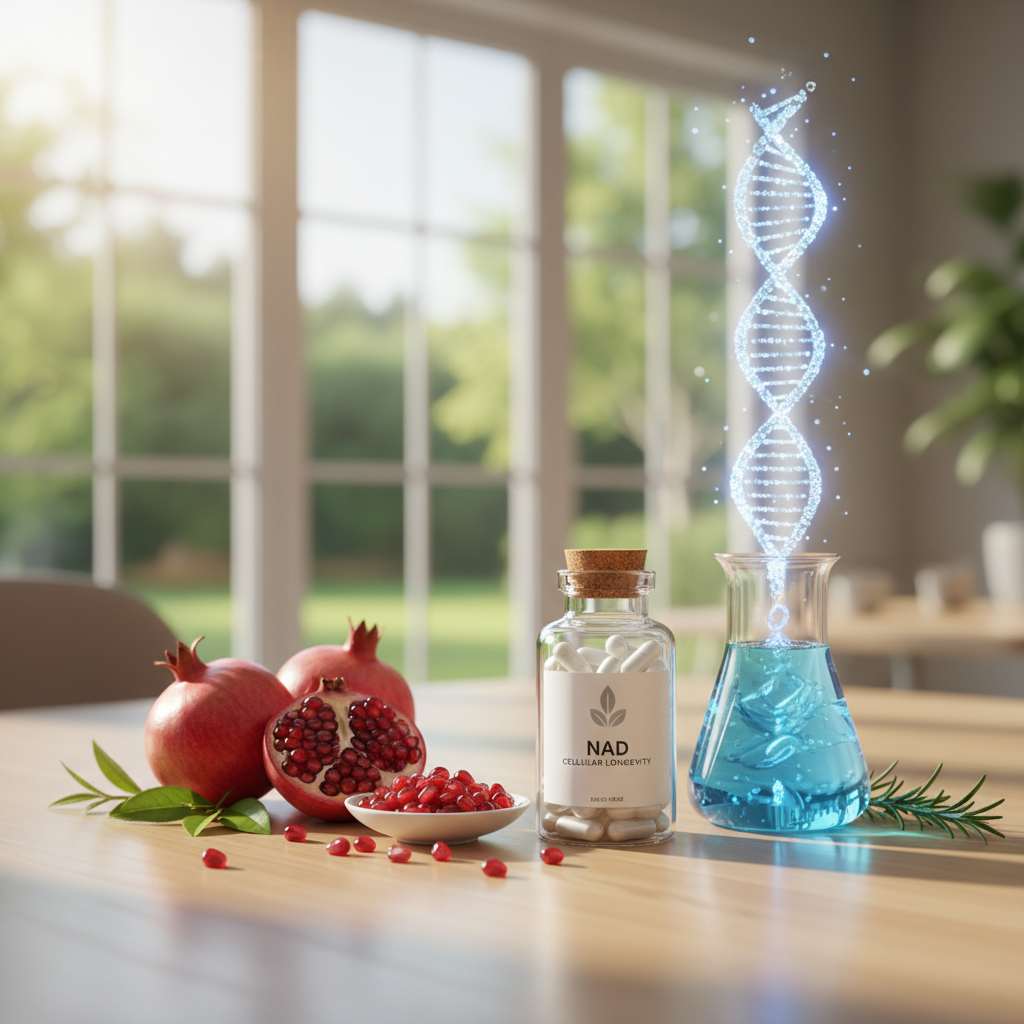
Prolean Wellness offers a Cellular Longevity & Anti-Aging Stack, which includes a product with NMN and other synergistic ingredients. You can also explore our standalone NAD+ supplement:

$60.00
Directly supports the article's focus on NAD+ for cellular longevity and energy.
Shop Now →*This statement has not been evaluated by the Food and Drug Administration. This product is not intended to diagnose, treat, cure, or prevent any disease.
Benefits of Supporting NAD+ Levels for Cellular Longevity
By consistently supporting optimal NAD+ levels, particularly as we age, we may contribute to maintaining various aspects of cellular function and overall wellness:
- Supports Cellular Energy Metabolism: Adequate NAD+ levels are involved in efficient energy production within the mitochondria, helping to maintain vitality and reduce feelings of fatigue.
- Promotes DNA Repair and Genomic Stability: By fueling sirtuins and PARPs, NAD+ may contribute to the body’s natural DNA repair mechanisms, helping to protect against cellular damage.
- Helps Maintain Healthy Mitochondrial Function: Mitochondria are often called the “powerhouses of the cell.” NAD+ is important for their optimal functioning, which is deeply intertwined with cellular energy and overall cellular health. Explore more about mitochondrial health on our blog.
- Supports Healthy Inflammatory Responses: Sirtuins, which depend on NAD+, are involved in modulating inflammatory pathways, potentially contributing to a balanced inflammatory response within the body5.
- Contributes to Brain Health: Emerging research suggests that NAD+ may play a role in supporting neuronal health and cognitive function.
Who Can Benefit from NAD+ Precursors?
Individuals looking to proactively support their cellular health and vitality as they age may find NAD+ precursors beneficial. Given the natural decline of NAD+ with age, older adults are often interested in ways to help maintain their levels. Additionally, those seeking to support overall energy, metabolic function, and resilience against cellular stressors may consider incorporating NAD+ precursors into their wellness routine.
Consider integrating NAD+ support with other longevity-focused supplements like Resveratrol for a synergistic approach to cellular wellness. Prolean Wellness offers personalized guidance through our ProAI™ tool, which can help you build an optimal supplement stack tailored to your individual needs and wellness goals.
Safety & Considerations
While NAD+ precursors like NR and NMN are generally considered safe for most healthy adults, it is always important to consult with a healthcare professional before starting any new supplement regimen, especially if you have existing health conditions or are taking medications. They can provide personalized advice and ensure that NAD+ precursors are appropriate for your specific situation. Adhere to the recommended dosages provided on the product label.
Conclusion: Embracing Cellular Longevity
Supporting cellular longevity is a holistic endeavor, encompassing a healthy lifestyle, balanced nutrition, and targeted supplementation. NAD+ precursors offer a promising avenue for those looking to help maintain their cellular health and vitality as they age. By understanding the foundational role of NAD+ in energy metabolism, DNA repair, and cellular regulation, we can make informed choices to support our bodies at the most fundamental level.
At Prolean Wellness, we are committed to providing evidence-based information and high-quality supplements to empower your wellness journey. Explore our full range of longevity-focused supplements and discover how to optimize your health from within.
These statements have not been evaluated by the FDA. These products are not intended to diagnose, treat, cure, or prevent any disease.
FAQs About NAD+ and Cellular Longevity
Q1: What is NAD+ and why is it important for aging? A1: NAD+ (Nicotinamide Adenine Dinucleotide) is a coenzyme found in every cell of your body, involved in hundreds of metabolic processes. It's important for energy production, DNA repair, and supporting healthy cellular function. As we age, NAD+ levels naturally decline, which is believed to contribute to age-associated cellular changes. Q2: How do NAD+ supplements work? A2: NAD+ itself is not efficiently absorbed, so supplements provide “precursors” like Nicotinamide Riboside (NR) or Nicotinamide Mononucleotide (NMN). The body then converts these precursors into NAD+, helping to replenish declining levels and support various cellular processes. Q3: What are the main benefits of supporting NAD+ levels? A3: Supporting NAD+ levels may help maintain cellular energy metabolism, promote DNA repair, support healthy mitochondrial function, contribute to balanced inflammatory responses, and potentially support brain health. Q4: Are there any side effects associated with NAD+ precursors? A4: NAD+ precursors like NR and NMN are generally considered safe for most healthy adults when used as directed. However, it's always important to consult with a healthcare professional before starting any new supplement, especially if you have underlying health conditions or are taking other medications. Q5: Can I get NAD+ from food? A5: While certain foods contain small amounts of NAD+ precursors like niacin (a form of vitamin B3), the quantities are typically not sufficient to significantly impact NAD+ levels in the same way that targeted supplementation with NR or NMN might. However, a diet rich in whole foods supports overall cellular health.References
- Gomila, A., et al. “NAD+ metabolism and its role in human diseases.” IUBMB Life, vol. 73, no. 12, 2021, pp. 1475-1490.
- Cantó, C., et al. “The NAD+ Precursor Nicotinamide Riboside Enhances Oxidative Metabolism and Protects Against High-Fat Diet-Induced Obesity.” Cell Metabolism, vol. 15, no. 6, 2012, pp. 838-847.
- Yang, Y., et al. “NAD+ Metabolism, Sirtuins, and Aging.” Trends in Endocrinology & Metabolism, vol. 27, no. 4, 2016, pp. 248-257.
- Mills, K. F., et al. “Long-Term Administration of Nicotinamide Mononucleotide Supports Age-Associated Physiological Functions in Mice.” Cell Metabolism, vol. 24, no. 6, 2016, pp. 795-806.
- Imai, S., & Guarente, L. “NAD+ and sirtuins in aging and disease.” Trends in Cell Biology, vol. 24, no. 8, 2014, pp. 464-471.
Disclaimer
The statements made in this article have not been evaluated by the U.S. Food and Drug Administration. This product is not intended to diagnose, treat, cure, or prevent any disease.
Wellness Variability Statement
The information provided in this article is for informational purposes only and does not constitute medical advice. Individual responses to supplements can vary significantly based on genetics, lifestyle, underlying health conditions, and other factors. Always consult with a qualified healthcare professional before making any decisions about your health or starting any new supplement regimen.
Future Article Questions
📦 Related Stack: NAD+ & Cellular Longevity Stack — Save 10% on this curated supplement bundle.
- What are the emerging research areas for NAD+ and its potential applications beyond longevity?
- How do lifestyle factors like diet and exercise influence NAD+ levels in the body?
- What is the difference between various NAD+ precursor supplements and how do they compare in terms of bioavailability and efficacy?
🤖 Build Your Personalized Stack with ProAI™
Not sure which supplements are right for you? Let our AI-powered wellness assistant create a custom stack based on your unique goals.
Questions to Explore Next
- →What are the emerging research areas for NAD+ and its potential applications beyond longevity?
- →How do lifestyle factors like diet and exercise influence NAD+ levels in the body?
- →What is the difference between various NAD+ precursor supplements and how do they compare in terms of bioavailability and efficacy?
Continue Reading
More supplement & nutrition guides