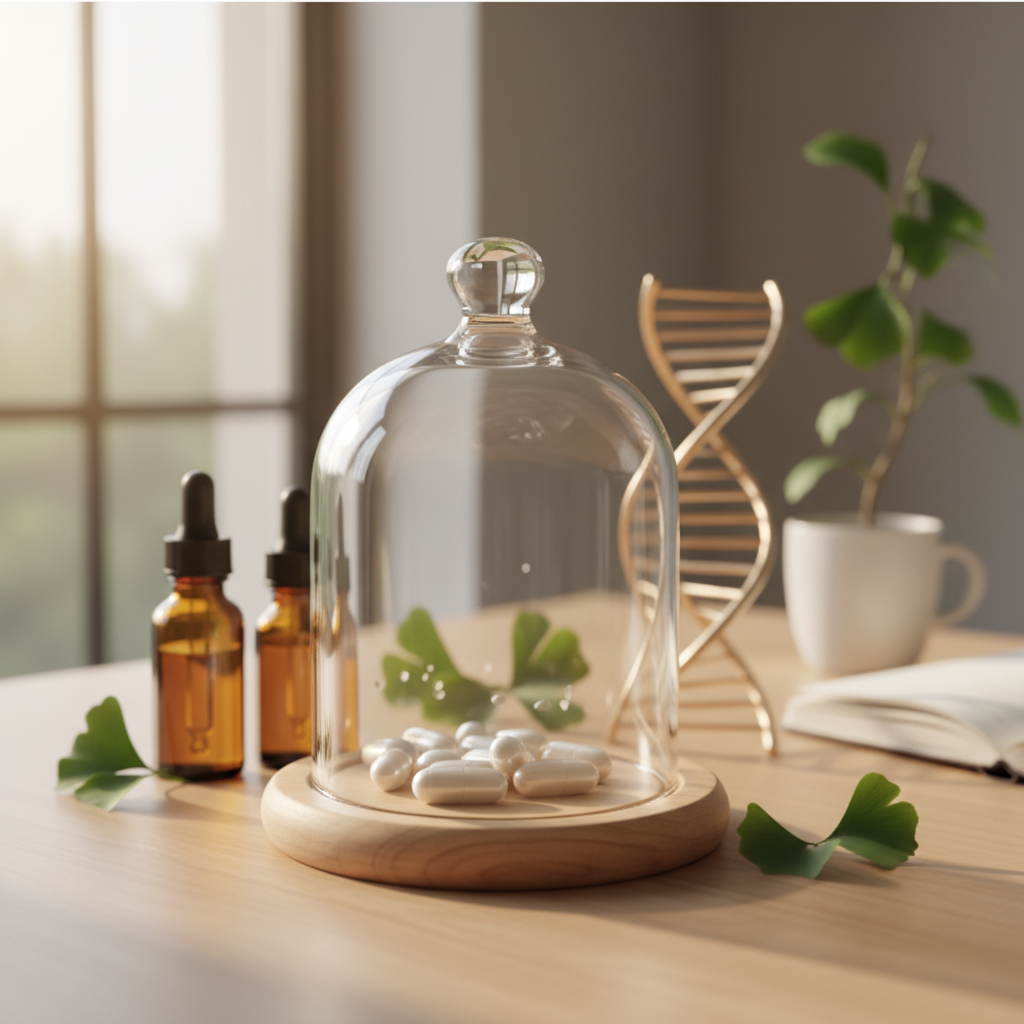

In the quest for a vibrant and fulfilling life, the concept of longevity has moved beyond simply extending years to enhancing the quality of those years. At the heart of this pursuit is cellular health. Our cells are the fundamental building blocks of our bodies, and how they function, adapt, and repair themselves directly influences our overall well-being as we age. Understanding the intricate mechanisms that govern cellular longevity is important, and one compound that has garnered significant scientific attention in this area is resveratrol.
Individual responses may vary. Nutritional support is one aspect of overall wellness and is not a substitute for medical care.
What is Resveratrol?
Resveratrol is a natural polyphenol found in several plants, including grapes (especially the skins of red grapes), blueberries, raspberries, mulberries, and peanuts. It’s also famously present in red wine. Plants produce resveratrol as a protective compound, helping them defend against environmental stressors like pathogens and UV radiation. In recent years, researchers have been exploring whether similar protective properties might extend to human cells.

The Cellular Basis of Aging: Understanding the Root Cause
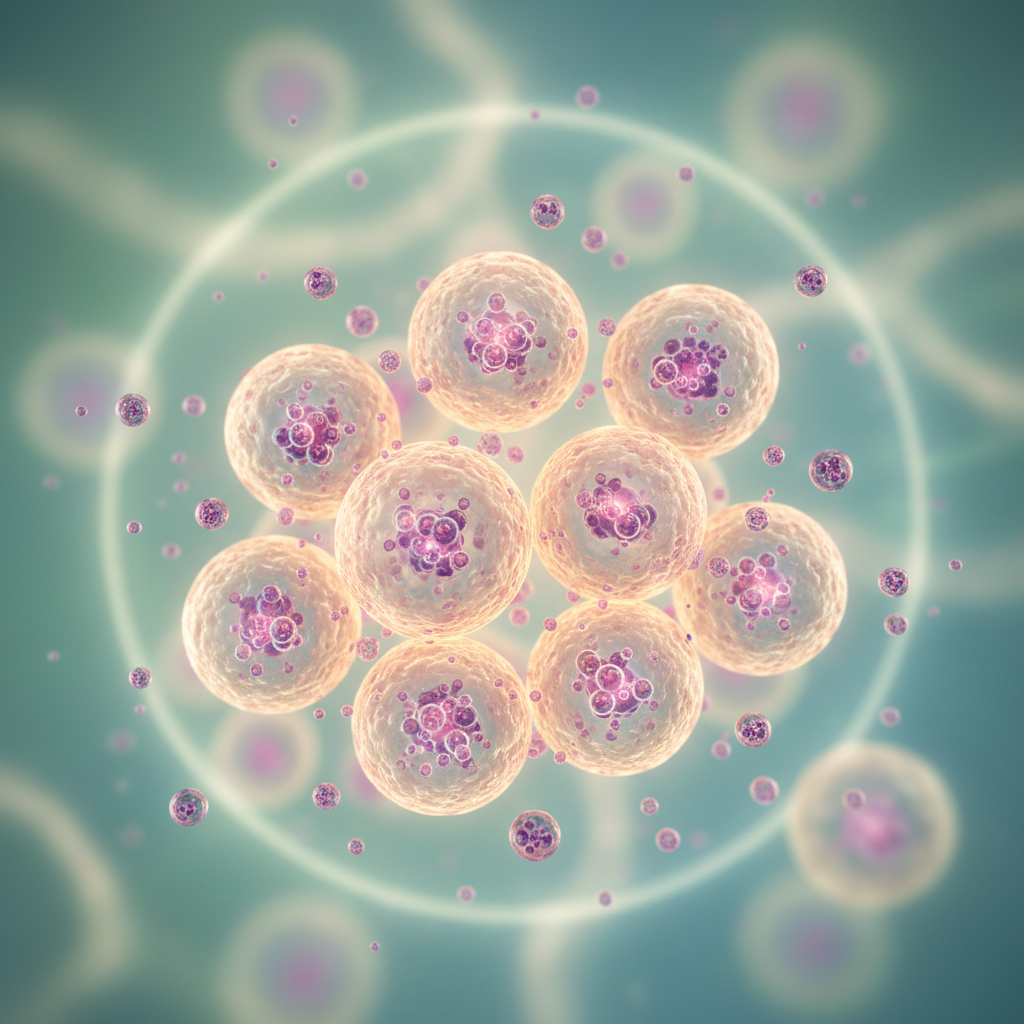
Aging is a complex biological process characterized by a gradual decline in cellular function and an increased susceptibility to various stressors. This decline isn’t a single event but a culmination of several interconnected cellular processes. To appreciate how resveratrol may support longevity, it’s helpful to understand a few key cellular aspects of aging:
1. Oxidative Stress and Free Radicals
Our cells are constantly exposed to free radicals, unstable molecules generated during normal metabolic processes and external factors like pollution and UV radiation. These free radicals can cause oxidative damage to cellular components like DNA, proteins, and lipids. Over time, accumulated oxidative damage can impact cellular function and contribute to the aging process. Antioxidants are compounds that can neutralize free radicals, helping to protect cells from this damage.
2. Mitochondrial Function
Mitochondria are often called the "powerhouses" of our cells because they produce adenosine triphosphate (ATP), the primary energy currency. Healthy mitochondrial function is important for maintaining cellular vitality. As we age, mitochondrial efficiency can decline, leading to reduced energy production and increased production of reactive oxygen species, further contributing to oxidative stress. Supporting mitochondrial health is therefore closely linked to supporting overall cellular longevity. To learn more about how to support these vital organelles, check out our guide on Top 5 Supplements for Mitochondrial Health and Daily Energy Support.
3. Cellular Senescence
Cellular senescence is a state where cells stop dividing but remain metabolically active, secreting inflammatory molecules. While senescent cells play a role in wound healing and embryonic development, an accumulation of these "zombie cells" in tissues can contribute to chronic low-grade inflammation and tissue dysfunction associated with aging. Clearing senescent cells or preventing their accumulation is a key area of longevity research.
4. Sirtuins: The "Longevity Genes"
Sirtuins are a family of proteins that play important roles in cellular regulation, metabolism, DNA repair, and stress resistance. They are often referred to as "longevity genes" because their activation has been linked to extended lifespan in various organisms in preclinical studies. Sirtuins are NAD+-dependent, meaning they require the coenzyme NAD+ to function. This connection highlights the importance of NAD+ in cellular health and longevity.
How Does Resveratrol Support Cellular Longevity?
📦 Related Stack: Cellular Longevity & Anti-Aging Stack — Save 10% on this curated supplement bundle.
Resveratrol’s potential benefits for cellular longevity are believed to stem from its multifaceted actions within the cell, particularly its interaction with the mechanisms outlined above.
1. Antioxidant Properties
Resveratrol acts as an antioxidant, helping to neutralize free radicals and thereby supporting cells from oxidative damage1. By helping to modulate oxidative stress, resveratrol may help maintain the integrity of cellular structures and functions against the wear and tear of daily cellular processes.
2. Supporting Mitochondrial Biogenesis and Function
Research suggests that resveratrol may promote mitochondrial biogenesis, the process by which new mitochondria are formed within cells. It may also help support the efficiency of existing mitochondria, potentially leading to better energy production and reduced oxidative byproducts. This support for mitochondrial health is a key aspect of resveratrol’s potential in promoting cellular vitality2.
3. Modulating Cellular Senescence
Studies indicate that resveratrol may influence cellular senescence pathways. By helping to modulate the accumulation of senescent cells or affecting their secretory functions, resveratrol may contribute to maintaining healthier tissues and organs as we age. This area of research is particularly exciting for its implications in fostering a more youthful cellular environment.
4. Activating Sirtuins
Perhaps one of the most well-known mechanisms of resveratrol is its ability to interact with and potentially activate sirtuins, particularly SIRT13. By promoting SIRT1 activity, resveratrol may help regulate various cellular processes involved in healthy aging, including metabolism, inflammation, and DNA repair. This activation is thought to mimic some of the beneficial cellular effects of calorie restriction, a dietary approach known to support longevity in many organisms.
These statements have not been evaluated by the FDA. These products are not intended to diagnose, treat, cure, or prevent any disease.
🤖 Build Your Personalized Stack with ProAI™
Not sure which supplements are right for you? Let our AI-powered wellness assistant create a custom stack based on your unique goals.
Related Products

$25.90
Directly supports cellular longevity and antioxidant pathways, aligning with the article's core topic.
Shop Now →*This statement has not been evaluated by the Food and Drug Administration. This product is not intended to diagnose, treat, cure, or prevent any disease.

$60.00
NAD+ is a coenzyme crucial for sirtuin activation, a key mechanism through which resveratrol is believed to promote longevity, making it a synergistic product.
Shop Now →*This statement has not been evaluated by the Food and Drug Administration. This product is not intended to diagnose, treat, cure, or prevent any disease.

$249.00
Spermidine is another compound associated with cellular renewal and longevity, complementing the theme of cellular aging and support discussed in the article.
Shop Now →*This statement has not been evaluated by the Food and Drug Administration. This product is not intended to diagnose, treat, cure, or prevent any disease.
Questions to Explore Next
- →What is the optimal dosage of resveratrol for cellular longevity benefits?
- →Are there any dietary sources of resveratrol that provide comparable benefits to supplements?
- →How does resveratrol interact with other longevity compounds like NAD+ or NMN?
Continue Reading
More supplement & nutrition guides