
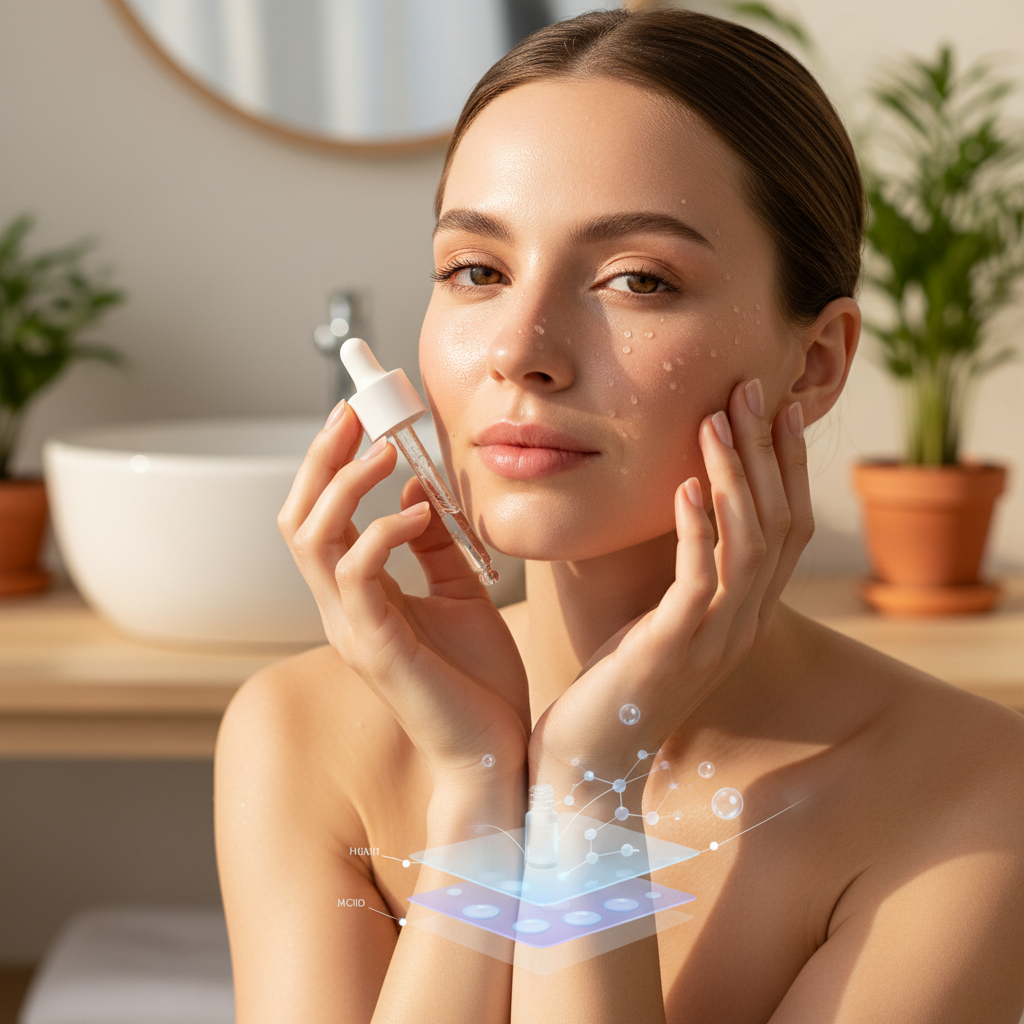
The Science of Supple Skin: How Hyaluronic Acid Works Wonders
In the quest for radiant, youthful-looking skin, hydration is paramount. While many ingredients promise a dewy complexion, one stands out for its remarkable ability to attract and retain moisture: hyaluronic acid (HA). Far from being a mere surface-level moisturizer, hyaluronic acid is a complex molecule that plays a crucial role in maintaining skin health, offering both immediate surface hydration and deeper, long-lasting cellular benefits. At Prolean Wellness, we believe in understanding the "root cause" of wellness, and for skin health, comprehending HA's sophisticated mechanisms is key to achieving truly vibrant skin.
What is Hyaluronic Acid and Why is it Essential for Skin?
Hyaluronic acid is a naturally occurring glycosaminoglycan (a type of carbohydrate molecule) found throughout the body, with the highest concentrations in the skin, connective tissues, and eyes. Its primary function is to retain water, and it does so with incredible efficiency – a single molecule of HA can hold up to 1,000 times its weight in water¹! In the skin, HA acts like a sponge, drawing moisture from the environment and the deeper layers of the dermis to the epidermis, ensuring optimal hydration and plumpness.
As we age, our body's natural production of hyaluronic acid diminishes, leading to decreased skin elasticity, increased dryness, and the appearance of fine lines and wrinkles. Environmental factors like sun exposure, pollution, and even certain lifestyle choices can further accelerate this decline. This is why incorporating topical hyaluronic acid into your skincare routine can be incredibly beneficial, helping to replenish what time and environment take away.
Immediate Surface Hydration and Barrier Protection
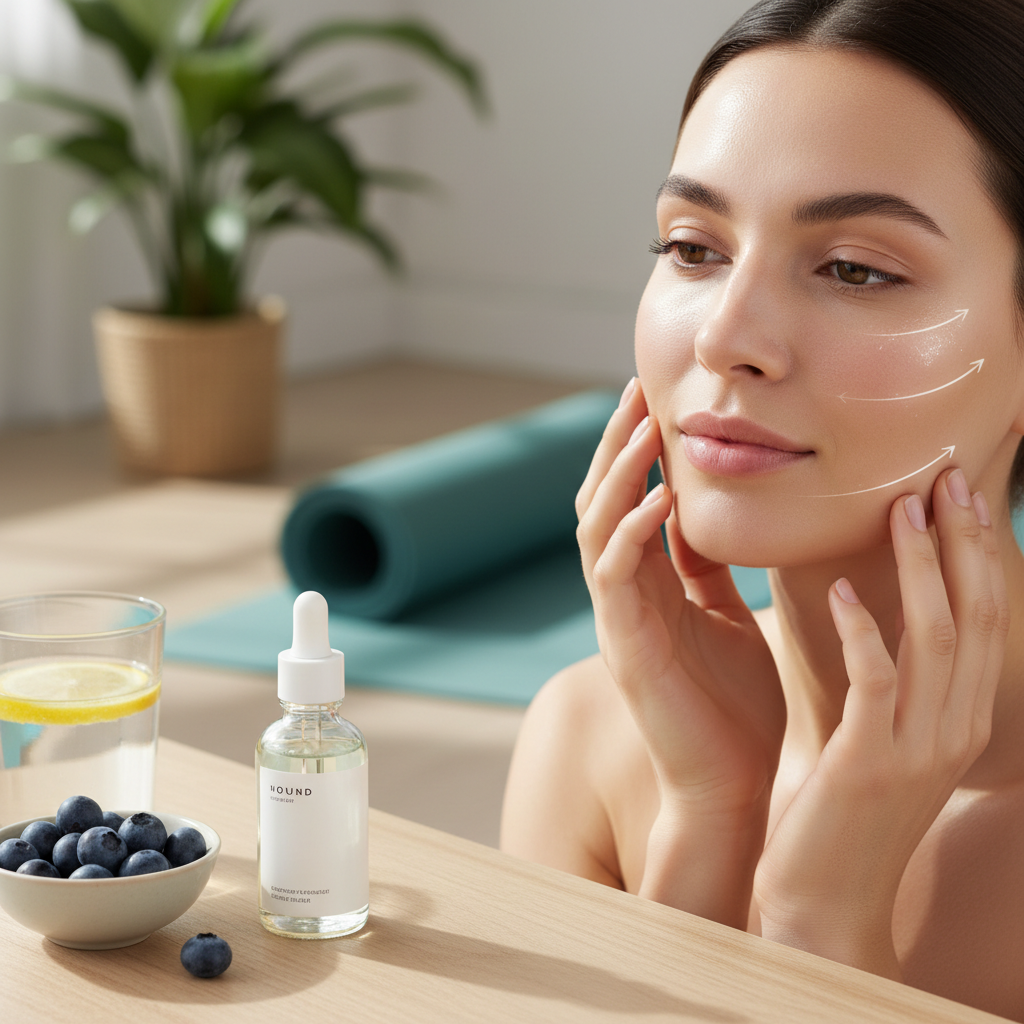
When applied topically, hyaluronic acid, particularly larger molecular weight HA, excels at providing immediate and intense surface hydration. These larger molecules form a breathable, humectant layer on the skin's outermost layer, the stratum corneum. This layer acts as a protective shield, preventing transepidermal water loss (TEWL) and bolstering the skin's natural barrier function. A healthy skin barrier is crucial for defending against environmental aggressors like pollutants and irritants, and for maintaining overall skin resilience².
Think of it like a protective, invisible film that keeps moisture locked in while keeping harmful elements out. This immediate hydration smooths the skin's texture, reduces the appearance of rough patches, and creates a soft, supple feel. It's an instant "drink of water" for your skin, delivering a visible glow and improved plumpness.

$29.90
This serum is ideal for enhancing skin texture, especially when paired with strong hydration from hyaluronic acid products, as retinol can sometimes cause dryness. It complements HA's benefits by promoting skin renewal and firmness.
Shop Now →*This statement has not been evaluated by the Food and Drug Administration. This product is not intended to diagnose, treat, cure, or prevent any disease.
Deeper Epidermal Penetration for Long-Lasting Hydration
Beyond its surface-level prowess, hyaluronic acid also has the remarkable ability to penetrate deeper into the epidermis, especially when formulated with varying molecular weights. Smaller fragments of HA (often referred to as low molecular weight HA) can more readily permeate the intercellular spaces of the epidermis. Once these smaller molecules reach the deeper layers, they continue to bind water, providing sustained, internal hydration that goes beyond the superficial.
This deeper penetration supports the intrinsic hydrating mechanisms of the skin, promoting a more resilient and internally moisturized complexion. This isn't just about temporary relief; it's about fostering an environment within the skin where cells can function optimally, leading to long-term improvements in skin health and appearance³.
Reducing Inflammation and Supporting Cellular Health
The benefits of hyaluronic acid extend beyond hydration to include its role in supporting a balanced inflammatory response. While HA is a powerful humectant, it also possesses natural soothing properties that can help calm irritated skin. In the extracellular matrix (the scaffold between skin cells), HA interacts with various cell receptors, influencing cellular communication and modulating inflammatory pathways.
Studies suggest that HA can help to downregulate pro-inflammatory markers and support the skin's natural healing processes⁴. This makes it particularly beneficial for individuals dealing with sensitive skin, redness, or post-procedure recovery. By supporting a healthy inflammatory response at a cellular level, HA contributes to overall skin vitality and can help reduce the visible signs of skin stress.
Addressing Chronic Stress and Cellular Magnesium Levels (Answering a Prior Question)
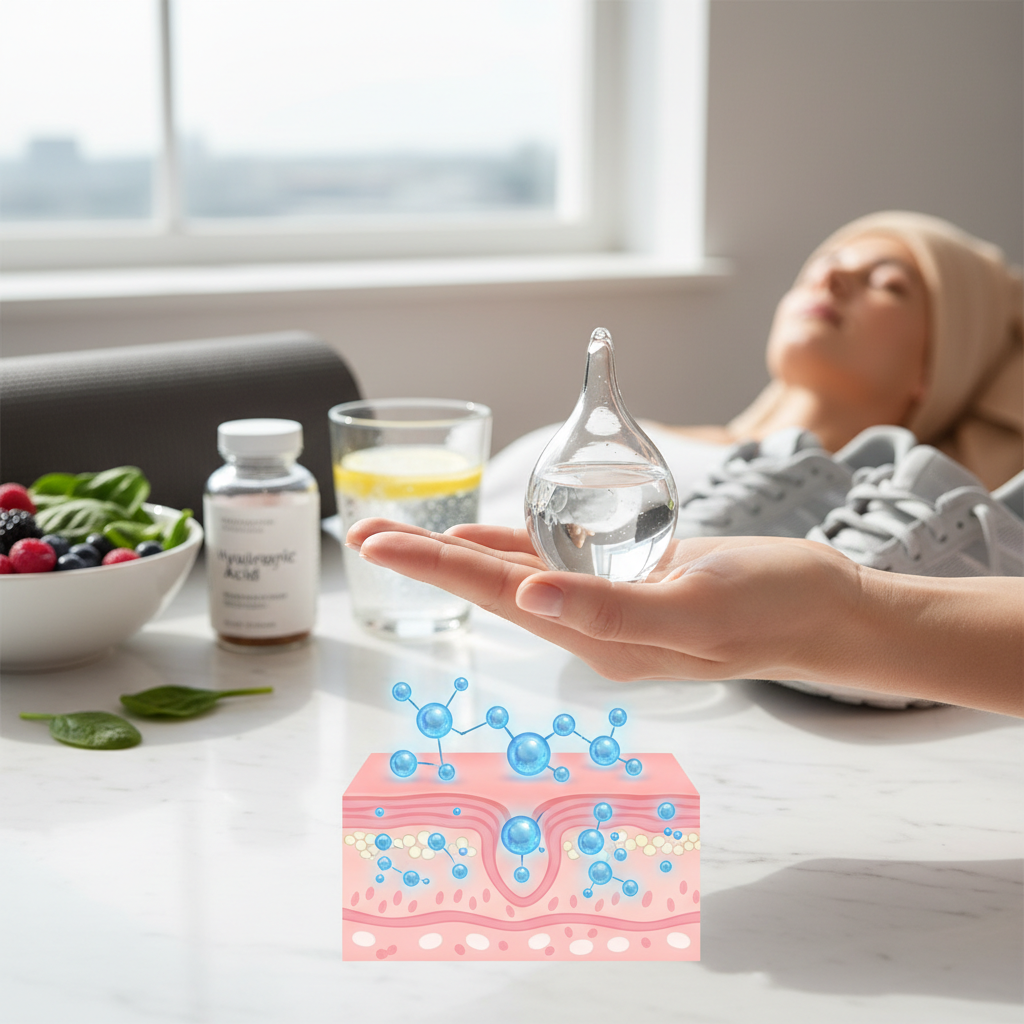
While topical hyaluronic acid directly impacts skin health, it's important to recognize the interconnectedness of bodily systems. Chronic stress, for example, has a profound impact not only on overt psychological well-being but also on cellular biochemistry. One significant effect of prolonged stress is the depletion of cellular magnesium levels⁵.
When the body experiences stress, the adrenal glands release cortisol, a "stress hormone." Cortisol triggers a cascade of physiological responses designed for "fight or flight." This heightened state of activity increases cellular metabolic demands, and magnesium, being a crucial cofactor for over 300 enzymatic reactions, is heavily utilized. Specifically, mitochondrial energy production, which is ramped up during stress, requires magnesium for ATP (adenosine triphosphate) synthesis. Furthermore, stress leads to increased urinary excretion of magnesium, as the kidneys expel more of the mineral under catecholamine surges. This combination of increased utilization and increased excretion leads to a net loss of magnesium from cells, impacting everything from nerve function to muscle relaxation and even overall skin health, as magnesium is involved in DNA repair and antioxidant defense. Maintaining adequate magnesium levels, often through supplementation and stress management techniques like those we discuss at Prolean Wellness, is vital for overall cellular resilience and can indirectly support skin vitality.
The Prolean Wellness Approach to Skin Health
At Prolean Wellness in Scottsdale, Arizona, we understand that true skin health is an inside-out and outside-in endeavor. Our personalized wellness programs, including advanced aesthetic services and nutritional guidance, are designed to address the root causes of your wellness concerns. While hyaluronic acid offers profound external benefits for the skin, we encourage a holistic approach that supports your body's natural ability to thrive. This includes addressing systemic factors like nutrient deficiencies, such as magnesium, and optimizing cellular function through targeted supplementation and lifestyle modifications.

$32.90
A complete multivitamin supports overall cellular health, including the skin, by providing essential nutrients like magnesium, which is discussed in the context of stress and cellular function. This indirect support ensures skin cells have the building blocks they need.
Shop Now →*This statement has not been evaluated by the Food and Drug Administration. This product is not intended to diagnose, treat, cure, or prevent any disease.
Our team of experts can guide you through tailored strategies to enhance your skin's appearance, whether through our highly effective body sculpting programs or by recommending premium supplements that support your cellular health from within. We believe in empowering you with the knowledge and tools to achieve lasting wellness.
Safety & Considerations
Hyaluronic acid, whether applied topically or taken as a supplement, is generally well-tolerated. However, some considerations are important:
- Topical Application: For very dry or arid climates, applying HA without a subsequent occlusive moisturizer can sometimes draw moisture *out* of the skin. Always follow a hyaluronic acid serum with a good cream or lotion to seal in the hydration.
- Injection Forms: Cosmetic hyaluronic acid fillers are medical procedures and carry risks such as bruising, swelling, infection, and, rarely, vascular occlusion. These should only be administered by trained and licensed medical professionals.
- Oral Supplements: Oral HA supplements are generally considered safe. Pregnant or nursing individuals, or those with underlying medical conditions, should always consult their healthcare provider before starting any new supplement.
- Allergies: While rare, allergic reactions can occur. Discontinue use if you experience redness, itching, or irritation.
Always adhere to the manufacturer's dosage guidance for any HA product. If you have concerns, consult with a qualified healthcare professional or our experts at Prolean Wellness.
References
- Purnamawati S, et al. "The Role of Moisturizers in Addressing Various Kinds of Dermatitis: A Review." *Clin Med Res*. 2017. PubMed
- Baumann L. "Skin barrier function." *Am J Clin Dermatol*. 2002. PubMed
- Becker LC, et al. "Safety Assessment of Hyaluronic Acid and its Salts as Used in Cosmetics." *Int J Toxicol*. 2009. PubMed
- Chen WY, et al. "The roles of hyaluronic acid in wound healing." *Wound Repair Regen*. 1999. PubMed
- Gröber U, et al. "Magnesium in Prevention and Therapy." *Nutrients*. 2015. PubMed
Disclaimer
This content is for informational purposes only and does not constitute medical advice. Always consult a qualified healthcare professional before starting any new supplement or wellness program.
New Questions for Future Articles
- What specific dietary nutrients can enhance the body's natural production of hyaluronic acid?
- How do different molecular weights of hyaluronic acid impact its effectiveness in skincare products?
- Can hyaluronic acid benefit other areas of the body beyond skin, such as joint health?
Scientific References
Intracellular Domain Contacts Contribute to Ecadherin Constitutive Dimerization in the Plasma Membrane.
Authors: Singh DR, Ahmed F, Sarabipour S et al.
Journal: Journal of molecular biology
Published: 2017 Jul 7
PMID: 28549925
Cancer prevention behaviors and socioeconomic status among Hispanics and non-Hispanic whites in a rural population in the United States.
Authors: Thompson B, Coronado GD, Solomon CC et al.
Journal: Cancer causes & control : CCC
Published: 2002 Oct
PMID: 12420950
Z linkage of female promiscuity genes in the moth Utetheisa ornatrix: support for the sexy-sperm hypothesis?
Authors: Iyengar VK, Reeve HK
Journal: Evolution; international journal of organic evolution
Published: 2010 May
PMID: 20002164
Open heart surgery; pump prime effects and cerebral arteriovenous differences in glucose, lactate and ketones.
Authors: Sandström K, Nilsson K, Andréasson S et al.
Journal: Paediatric anaesthesia
Published: 1999
PMID: 10712716
Magnesium in Prevention and Therapy.
Authors: Gröber U, Schmidt J, Kisters K
Journal: Nutrients
Published: 2015 Sep 23
PMID: 26404370
Questions to Explore Next
- →What specific dietary nutrients can enhance the body's natural production of hyaluronic acid?
- →How do different molecular weights of hyaluronic acid impact its effectiveness in skincare products?
- →Can hyaluronic acid benefit other areas of the body beyond skin, such as joint health?
Continue Reading
More supplement & nutrition guides